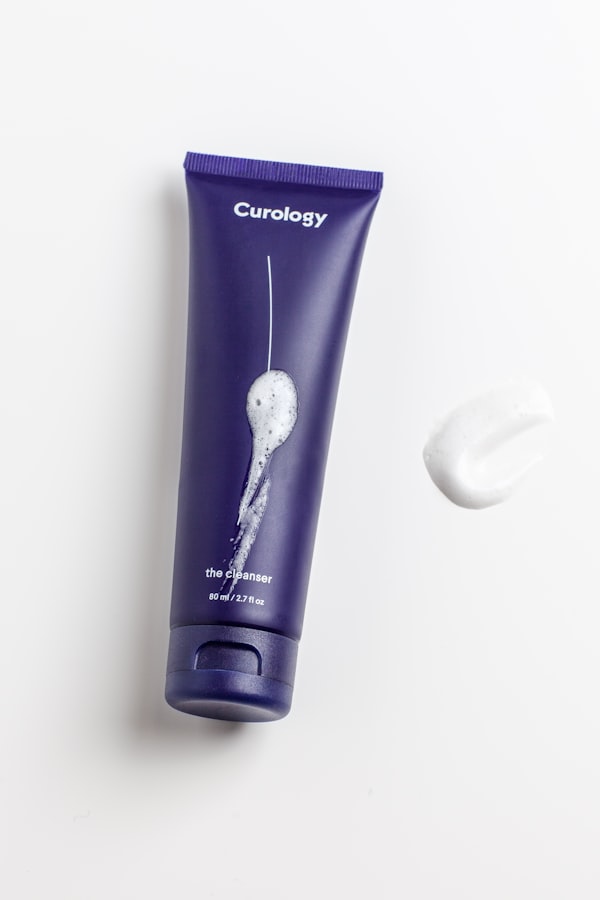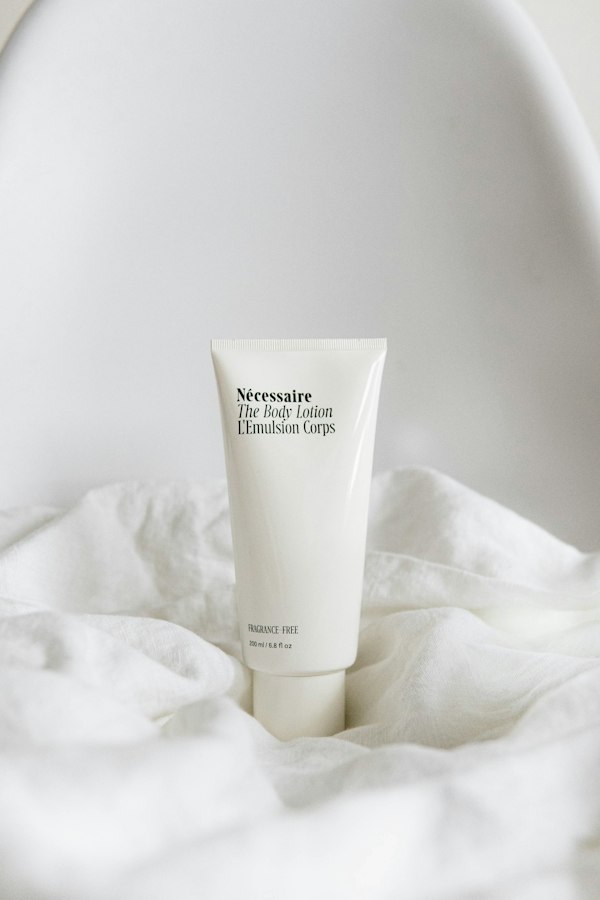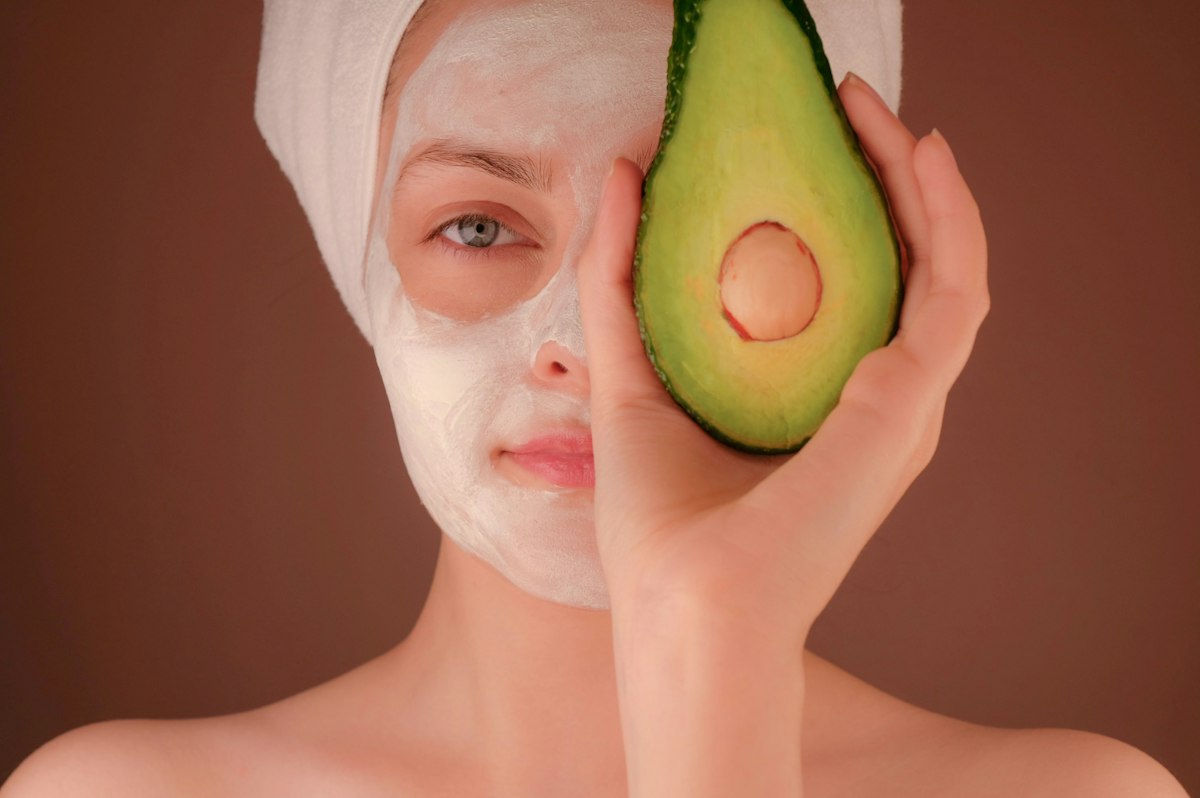
Vitamin C, retinol, AHAs, BHAs — the world of active ingredients can be overwhelming.
The proliferation of active skincare ingredients over the past decade has been genuinely exciting — and genuinely confusing. Vitamin C, retinol, AHAs, BHAs, niacinamide, peptides, hyaluronic acid, benzoyl peroxide — each of these ingredients has strong clinical evidence behind it. Each can deliver meaningful results. And each comes with a set of rules, warnings, and compatibility concerns that can make building a routine feel like defusing a bomb.
The good news: layering actives is not as complicated as the internet makes it seem. The bad news: there are a few rules you genuinely cannot ignore without risking irritation, reduced efficacy, or both.
The Fundamental Principle: pH
Most of the rules around layering actives come down to pH — the measure of acidity or alkalinity on a scale of 0 to 14. Many of the most effective skincare actives work best within a specific pH range, and applying them in the wrong order can raise or lower the pH of your skin enough to reduce their effectiveness.
Vitamin C (L-Ascorbic Acid) works best at a pH below 3.5. AHAs and BHAs are most effective at a pH of 3–4. Niacinamide works across a wide pH range. Retinol is relatively pH-independent. This means that if you apply an AHA before your Vitamin C, the AHA may raise the pH of your skin surface enough to reduce Vitamin C's penetration and efficacy.
The general rule: apply your most acidic products first, allow them to absorb, and then apply products with higher pH values. This preserves the optimal pH environment for each active.
The Combinations to Avoid
Vitamin C + AHAs/BHAs (same application): Both are acidic, but combining them can cause excessive irritation and may actually reduce the efficacy of both. Use Vitamin C in the morning and AHAs/BHAs in the evening, or on alternating days.
Retinol + AHAs/BHAs (same night): This combination significantly increases the risk of irritation, barrier disruption, and sensitivity. Alternate nights: retinol on Monday, Wednesday, Friday; AHAs/BHAs on Tuesday, Thursday.
Retinol + Benzoyl Peroxide: Benzoyl peroxide oxidizes retinol, rendering it inactive. If you use both, apply them at different times of day or on different days.
Niacinamide + Vitamin C (high concentration): This combination has been controversial. At high concentrations, niacinamide and Vitamin C can form a compound called nicotinic acid that may cause flushing. In practice, most modern formulations are stable enough that this isn't a significant concern — but if you're using high concentrations of both, applying them separately (morning and evening) is the safest approach.
The Combinations That Work Well
Vitamin C + Vitamin E + Ferulic Acid: This is one of the most well-studied combinations in skincare. Vitamin E and ferulic acid stabilize Vitamin C and significantly enhance its antioxidant efficacy. Many of the best Vitamin C serums include all three.
Retinol + Peptides: Peptides and retinol work through different mechanisms and complement each other well. Retinol stimulates collagen through retinoic acid receptor pathways; peptides signal collagen production through different receptor pathways. Together, they can produce additive benefits.
Niacinamide + Hyaluronic Acid: Both are gentle, well-tolerated, and work across a wide range of skin types. Niacinamide strengthens the barrier and minimizes pores; hyaluronic acid provides hydration. They layer beautifully together.
AHAs + Hyaluronic Acid: AHAs exfoliate and can be drying. Following with hyaluronic acid replenishes moisture and reduces the risk of irritation.
A Sample Routine
Morning: Cleanser → Vitamin C serum (activated, freshly mixed) → Niacinamide → Moisturizer → SPF 30+
Evening (retinol nights): Cleanser → Retinol serum → Peptide serum → Moisturizer
Evening (exfoliation nights): Cleanser → AHA or BHA → Hyaluronic acid → Moisturizer
The Most Important Rule
Introduce one new active at a time. Wait two to four weeks before adding another. This is the only way to know which ingredient is responsible if you experience irritation — and the only way to give each ingredient enough time to show results before you start second-guessing it.
Patience is the most underrated skincare ingredient. More actives, applied more frequently, does not equal better results. A simple, consistent routine with two or three well-chosen actives will outperform a complicated routine of ten products used haphazardly every time.