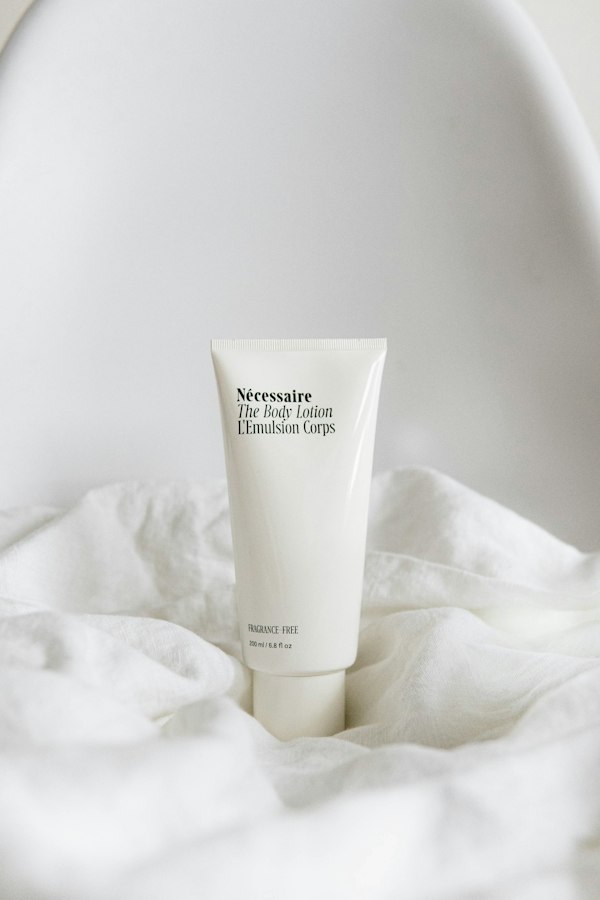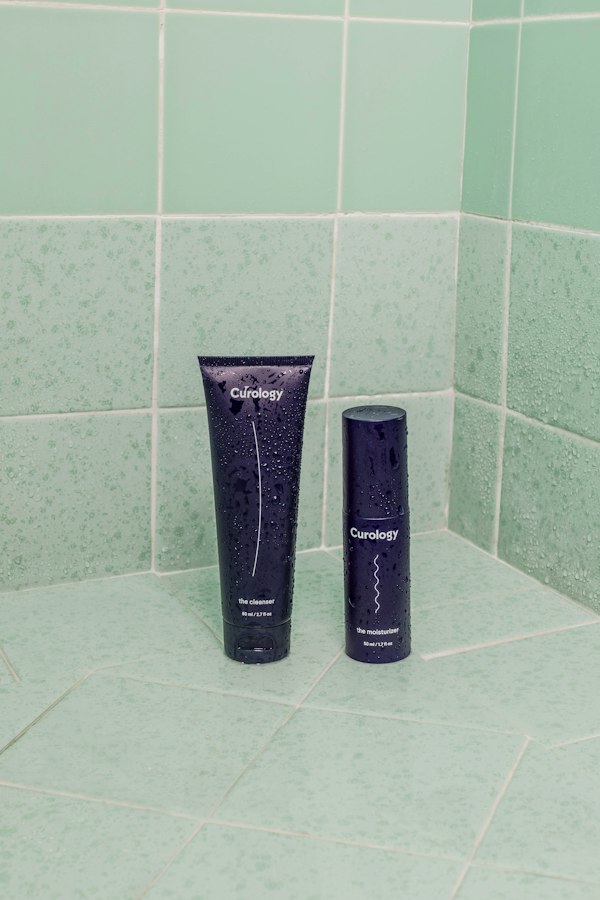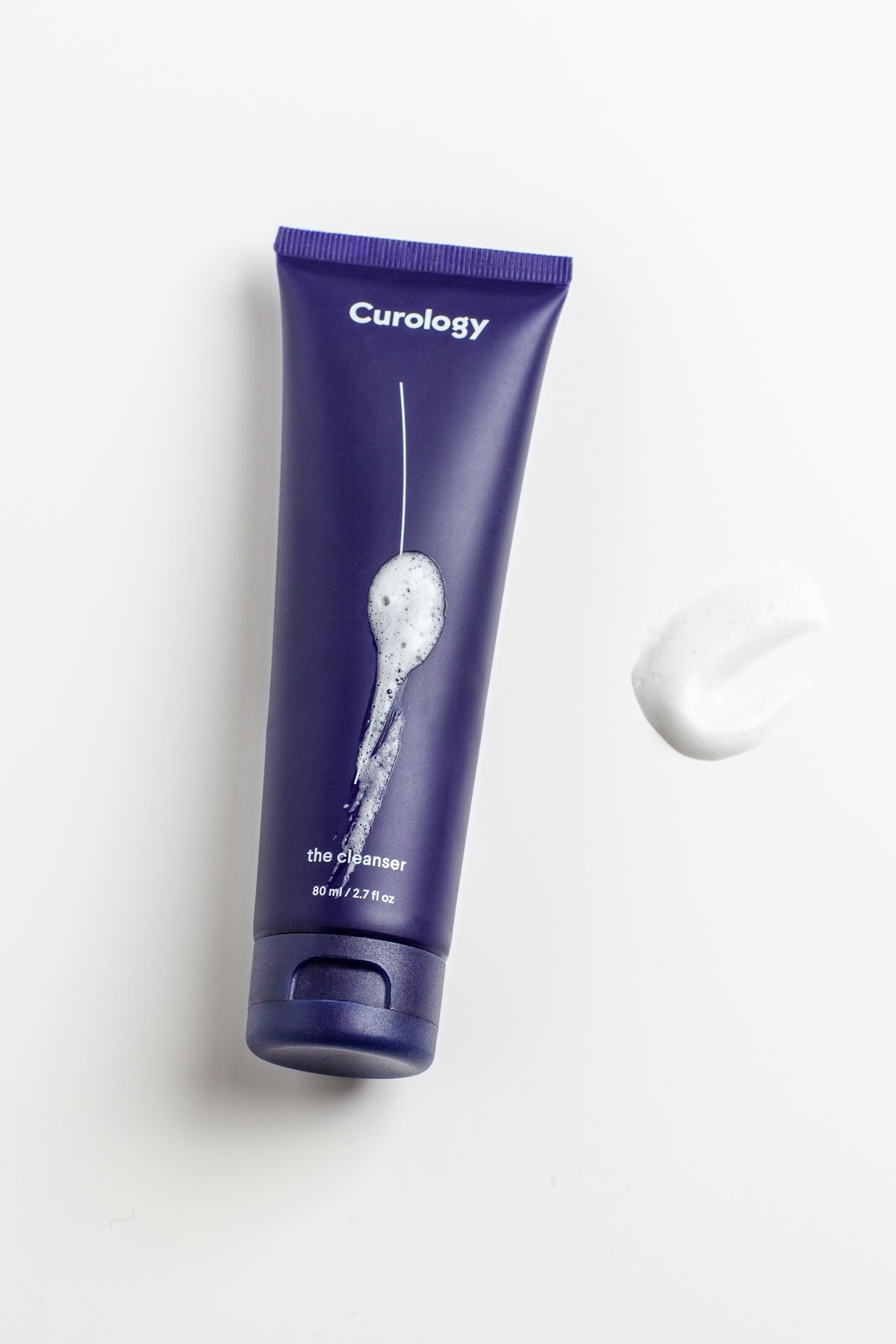
Most of us focus on what to avoid in skincare. But the real question is: what should your products actually be full of?
The beauty industry has spent the last decade building a culture of avoidance. Parabens-free. Sulfate-free. Fragrance-free. Silicone-free. The list of things we're told to keep out of our routines grows longer every year, and the marketing machine behind "clean beauty" has become extraordinarily good at making us afraid of ingredients rather than informed about them.
But here's the problem with an avoidance-only mindset: it tells you nothing about what should actually be in your products. A serum can be free of every ingredient on every "dirty list" and still be completely ineffective — a watery nothing-burger of aloe vera and glycerin that does little more than sit on your skin and evaporate.
The Allowlist Approach
What if instead of asking "what's not in this?", we started asking "what's actually in this — and does it work?" That's the allowlist approach. Rather than defining your routine by exclusion, you define it by inclusion: you only let ingredients in if they have a documented clinical reason to be there.
This shift in thinking is surprisingly radical in an industry that profits from complexity and confusion. When you start asking "what does this ingredient actually do?", you quickly discover that most skincare formulas are padded with inert fillers, texture agents, and marketing ingredients that contribute nothing to your skin's health.
The Ingredients That Earn Their Place
So what makes the allowlist? The short answer is: clinical evidence. An ingredient earns its place in your routine when peer-reviewed research — not brand-funded studies, not influencer testimonials — demonstrates that it produces a measurable change in skin structure or function.
Vitamin C (L-Ascorbic Acid) is the most studied brightening ingredient in dermatology. At concentrations of 10–20%, it inhibits melanin synthesis, neutralizes free radicals, and stimulates collagen production. The catch: it oxidizes rapidly when exposed to air and light, losing its potency within weeks of opening. This is why fresh, activated formulas are so important.
Retinol and Retinoids are the gold standard for anti-aging. Decades of research confirm their ability to increase cell turnover, stimulate collagen, and reduce the appearance of fine lines and hyperpigmentation. Like Vitamin C, they are highly sensitive to degradation — which is why most over-the-counter retinol products deliver far less than their labels suggest.
Niacinamide is one of the most versatile actives available. At 4–5%, it visibly minimizes pores, fades post-inflammatory hyperpigmentation, and strengthens the skin barrier by boosting ceramide production. It's also one of the most stable actives, making it a reliable workhorse in any routine.
Hyaluronic Acid is not a miracle ingredient — but it is a very good one within its scope. It's a humectant, meaning it draws water into the skin. At multiple molecular weights, it hydrates both the surface and deeper layers of the dermis. It won't reverse aging, but it will make your skin look and feel significantly more plump and comfortable.
Peptides are short chains of amino acids that signal the skin to produce more collagen and elastin. They're gentler than retinol and can be used by those with sensitive skin. Clinical studies show meaningful improvements in skin firmness and elasticity with consistent use over 8–12 weeks.
Building Your Allowlist Routine
The allowlist approach doesn't mean your routine needs to be complicated. In fact, it usually means the opposite. When you strip away the fillers and focus only on what works, you often end up with fewer products — but products that actually do something.
A solid foundation looks like this: a gentle, pH-balanced cleanser that doesn't strip your barrier; an activated serum containing one or two high-concentration actives suited to your skin concerns; a moisturizer that supports your barrier with ceramides, fatty acids, and humectants; and SPF 30 or higher every single morning without exception.
That's it. Four steps. Everything else is optional — and should only be added if it has a clinical reason to be there.
The Freshness Problem
Here's the uncomfortable truth that the allowlist approach eventually leads you to: even if you choose the right ingredients, you might not be getting them at the right potency. Most skincare products are formulated to have a shelf life of 12–24 months. That means they're designed to remain stable — not to remain potent.
Stability and potency are not the same thing. A Vitamin C serum can be perfectly stable (not visibly degraded, not smelling off) while delivering a fraction of its original antioxidant capacity. The same is true for retinol, certain peptides, and other oxygen-sensitive actives.
This is the core problem that activated skincare solves. By keeping the active ingredients separate until the moment of use, you guarantee that what you're applying to your skin is as potent as the day it was formulated. It's not a marketing gimmick — it's basic chemistry.
The Bottom Line
Stop building your routine around what to avoid. Start building it around what actually works. Ask for the clinical evidence. Demand transparency about concentrations. And pay attention to freshness — because the best ingredient in the world is useless if it's already degraded by the time it reaches your skin.
Your skin deserves a routine that's full of things that work. Not empty of things that don't.